Welcome! This blog is mostly about butterfly gardening, but other types of plants and gardens, as well as
other wildlife is blogged about too.
The weather was great here today and I spent most of my time outside working on my garden. I had a few things to get in the ground, some trimming, weeding. A lot to keep me busy.
I have a lot more blooming now – but I’m way too tired to even get any pictures on here today.
My lilac is really peaking with its blooms now. I have a bad sense of smell, but even I can smell the flowers from a few feet away.
I didn’t even see one adult butterfly today though. Some caterpillars though – I’ve got monarchs and black swallowtails out there.
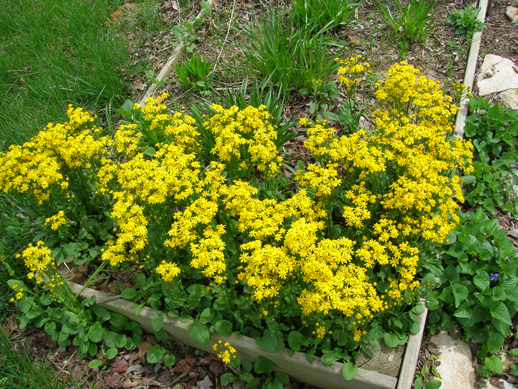
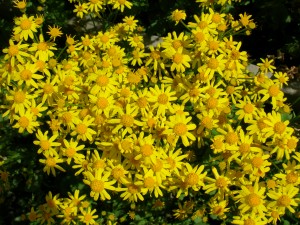
I originally planted this plant, senecio obovatus (sp?) because I read it was the host plant for the Northern Metalmark. Then, I read that sightings of the Northern Metalmark in this area were probably mistakes. Apparently the the metalmark in this area is the Swamp Metalmark, which uses a plant I haven’t been able to find. I haven’t seen the butterfly around here either.
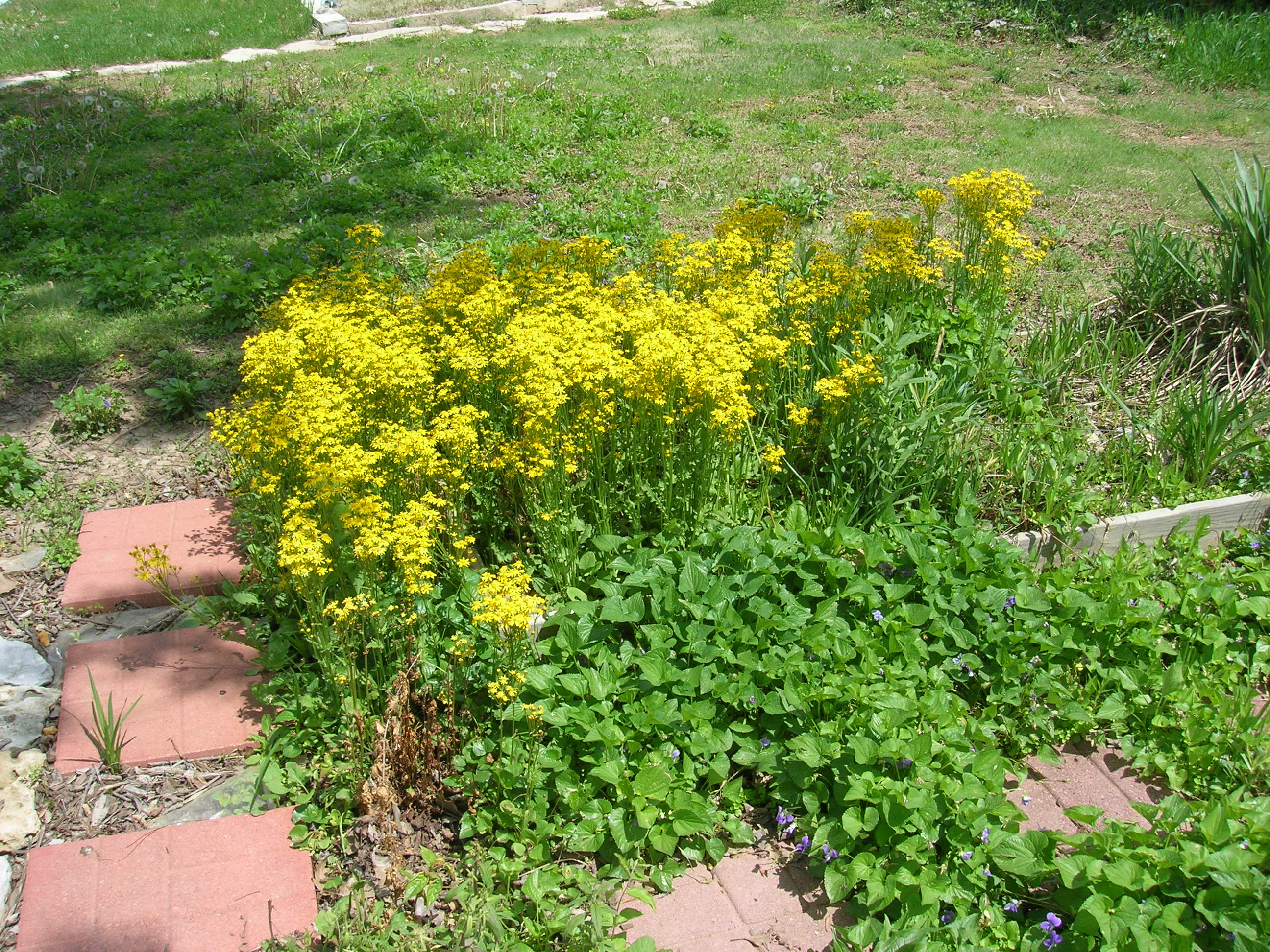
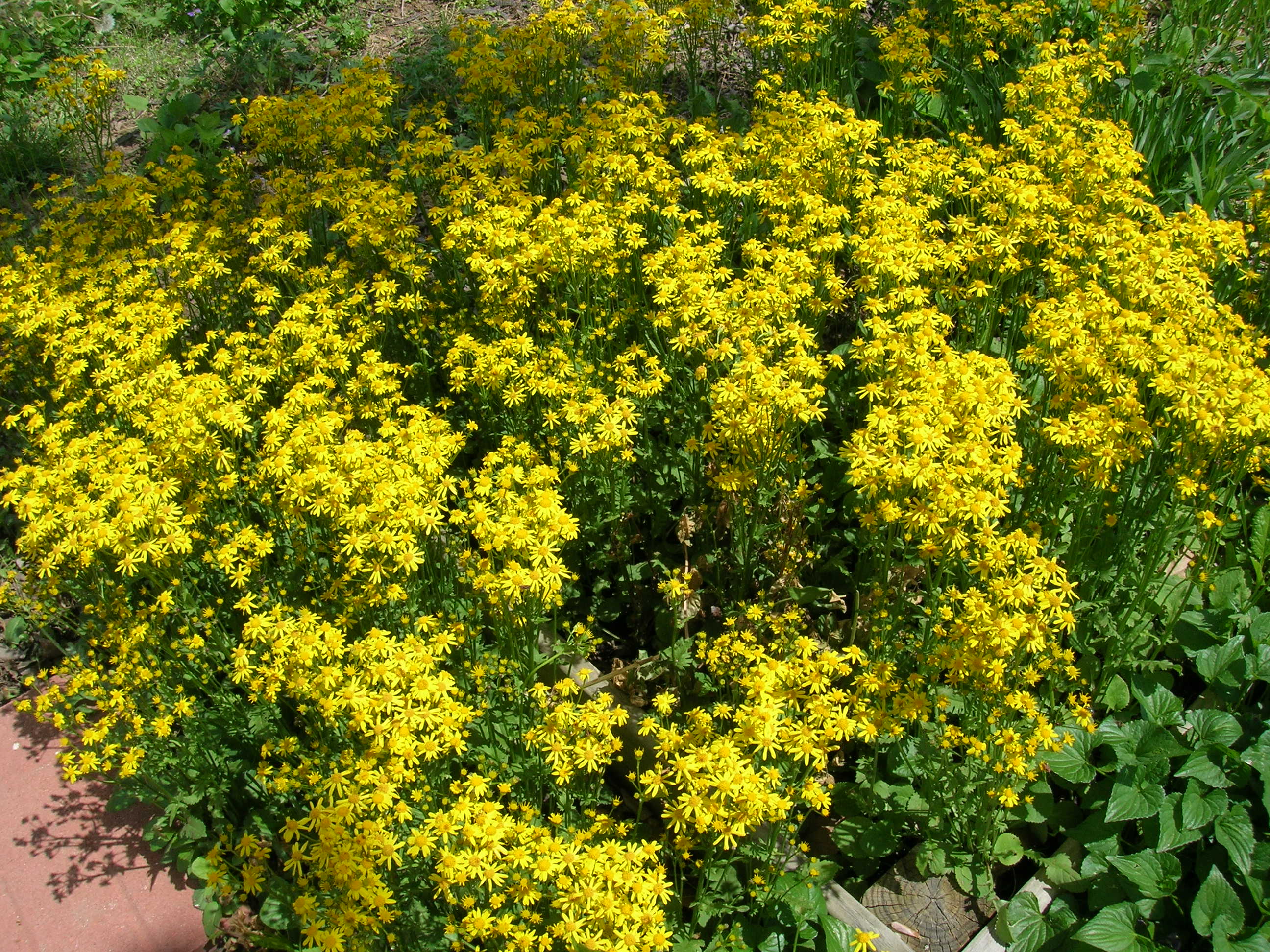
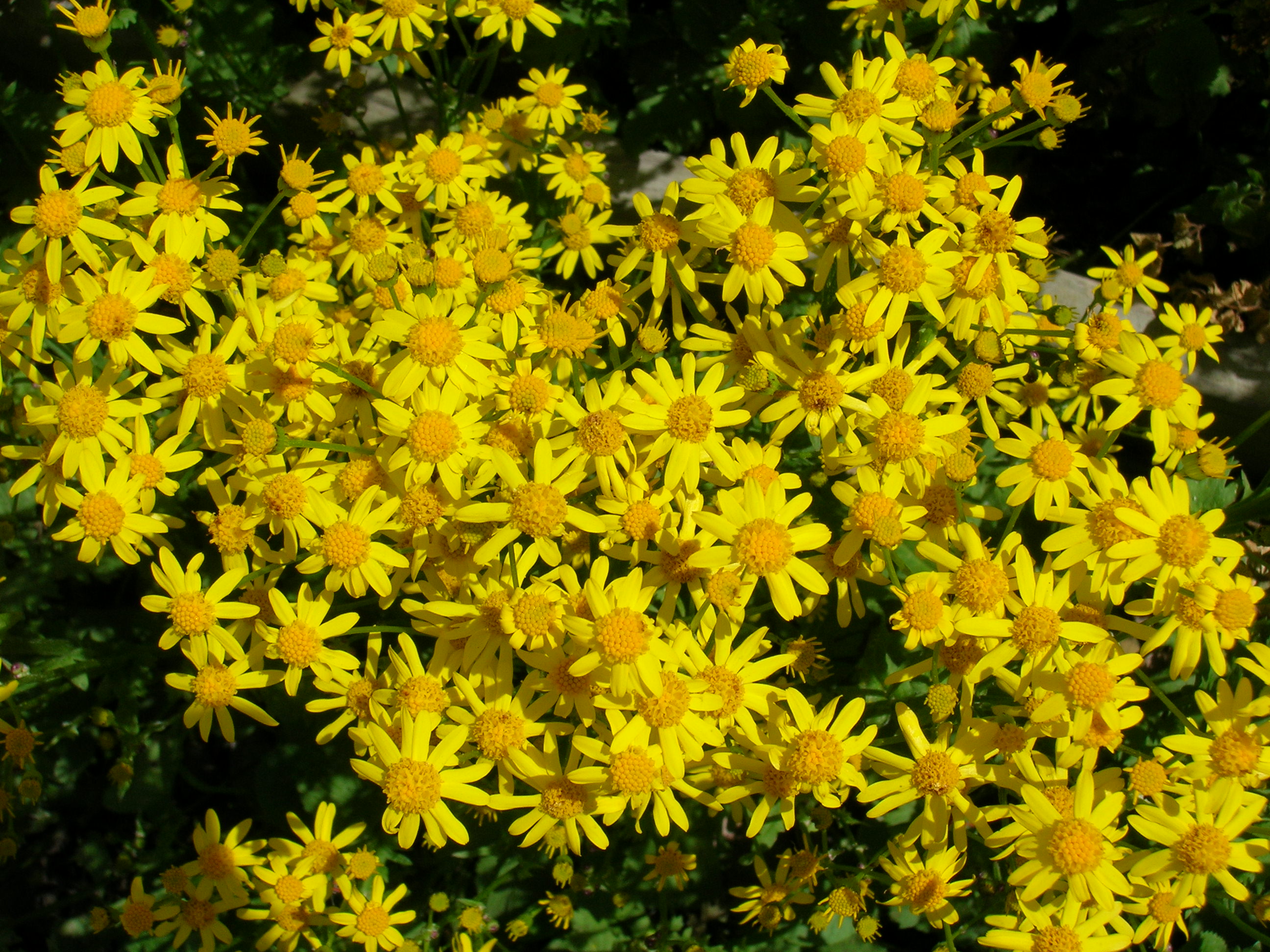
The plant though is really nice. It blooms early in the year with nice pretty little yellow flowers. After they die off the plant is very short and make a sort of ground covering. It can get a bit aggressive with spreading around though. I started this patch of it with just one little plant maybe 3-4 years ago. There’s supposed to be mostly liatris in that area. It will be interesting if it still comes up and blooms well this year or not.
Here are the flowers from a distance:
Here a little closer up:
Here a much closer up picture of the flowers:
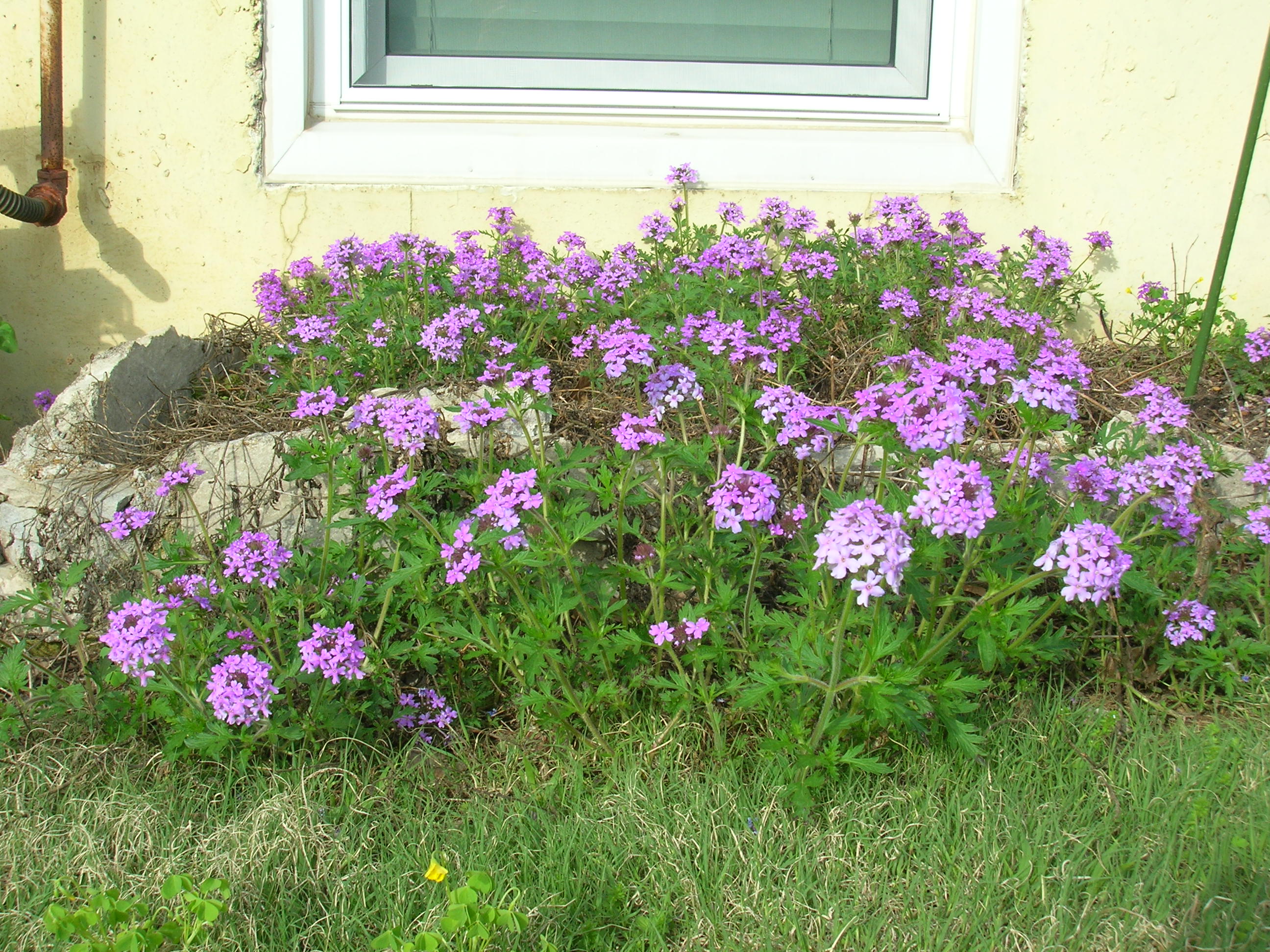
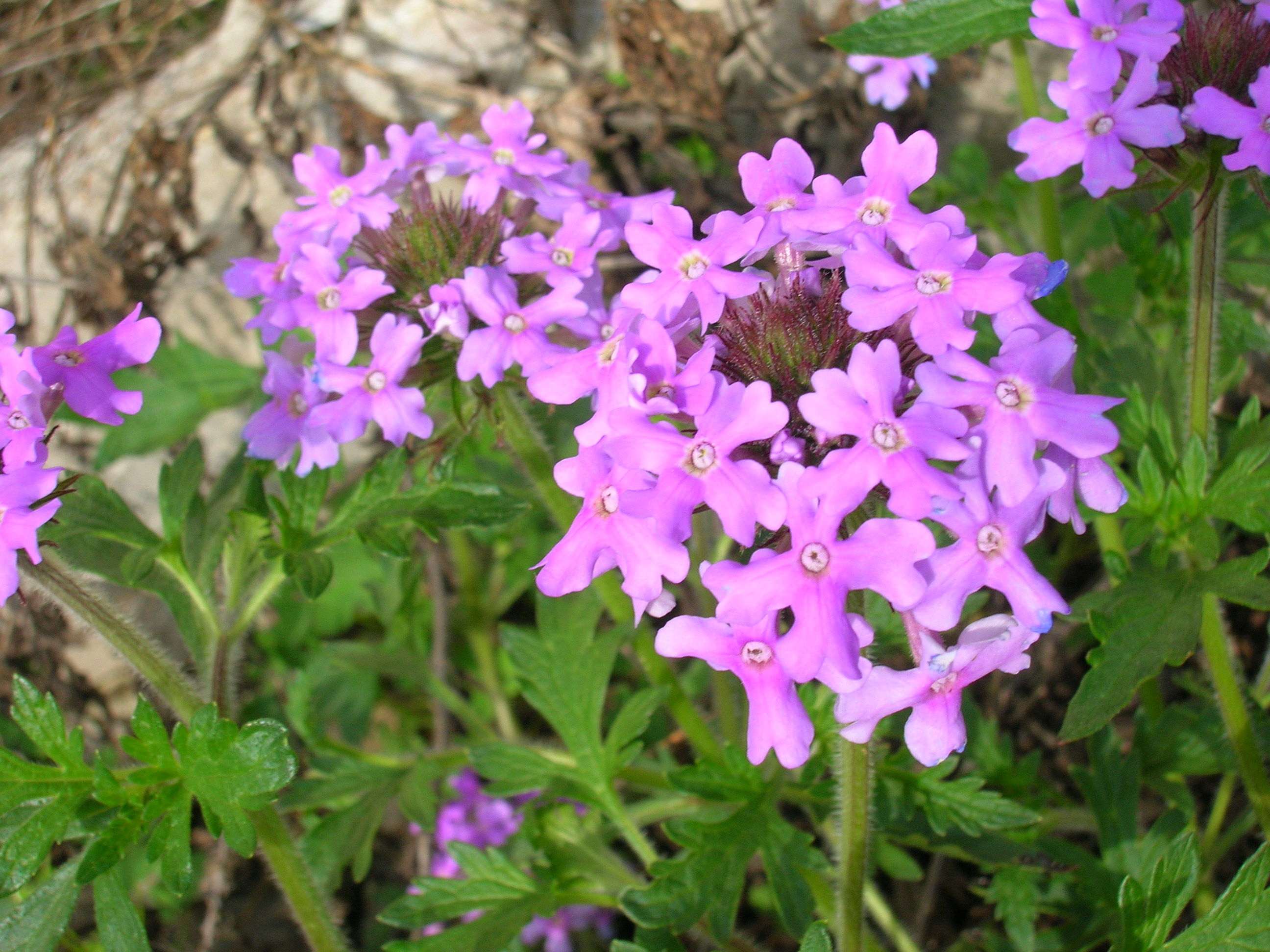
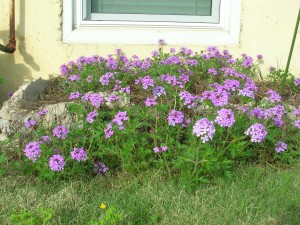
My verbena is blooming now too:
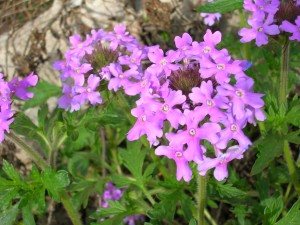
Here’s a close up:
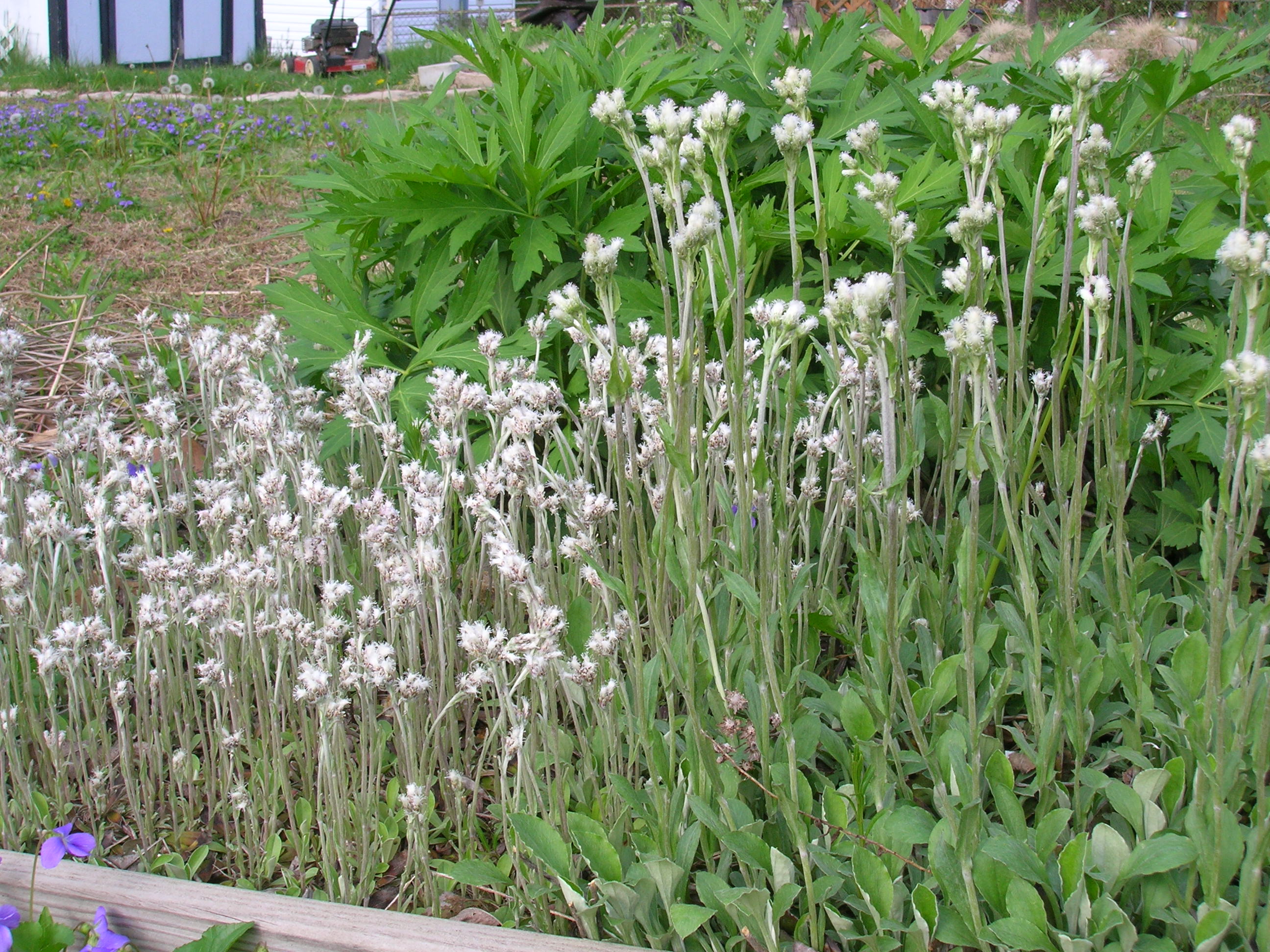
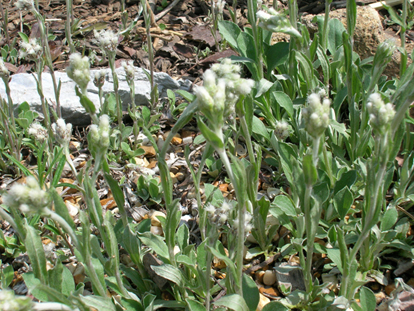
No, really. That is what they are called – their common name is ‘pussy toes‘. The flowers which are small white things, supposedly look like cat toes.
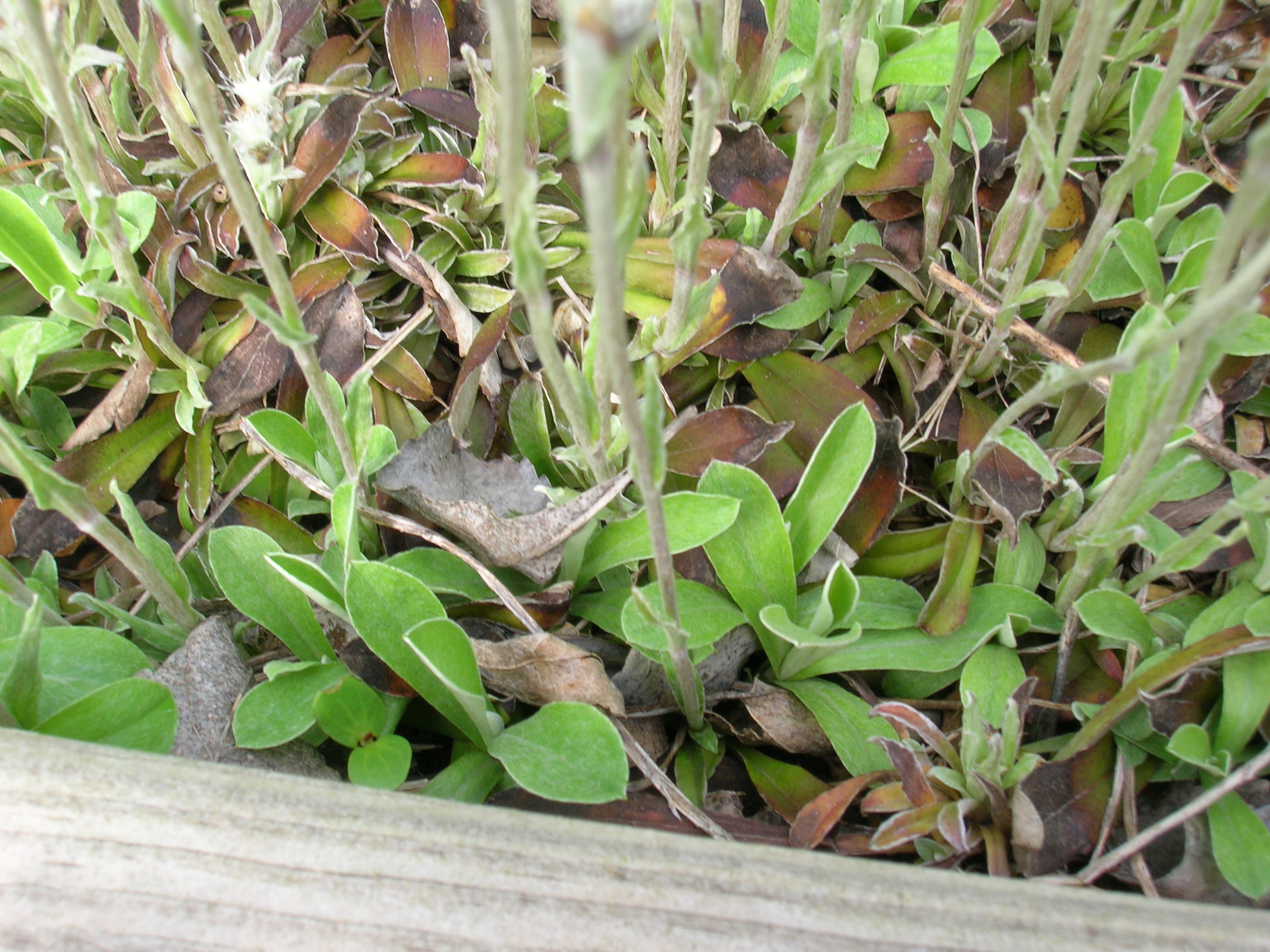
I believe I have two different species – I need to check into this. You can see from this picture – the flowers of one are taller than the other:
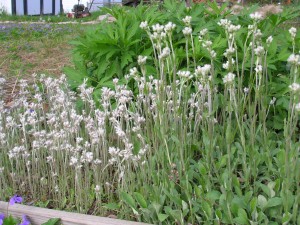
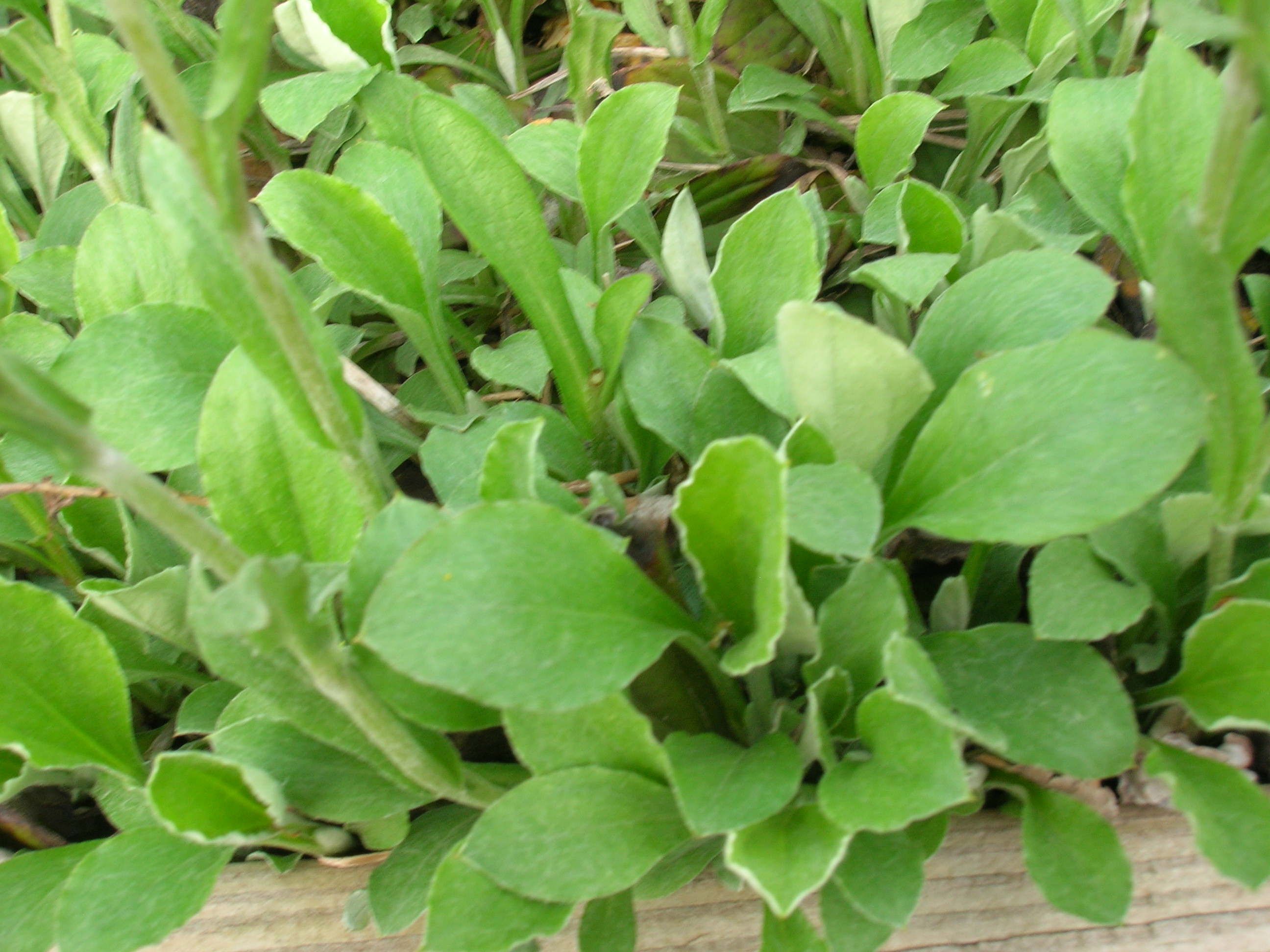
Here you can see the leaves of one is bigger than the other too:
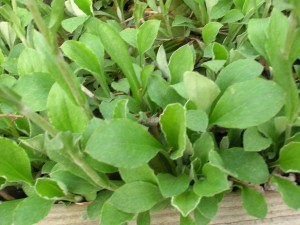
Smaller leaves:
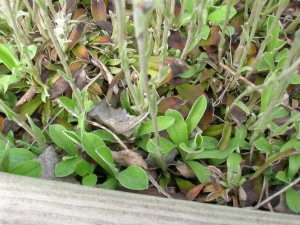
I prefer the ones with bigger leaves, since the American Lady makes nests in them, I figure that would give them more to work with.
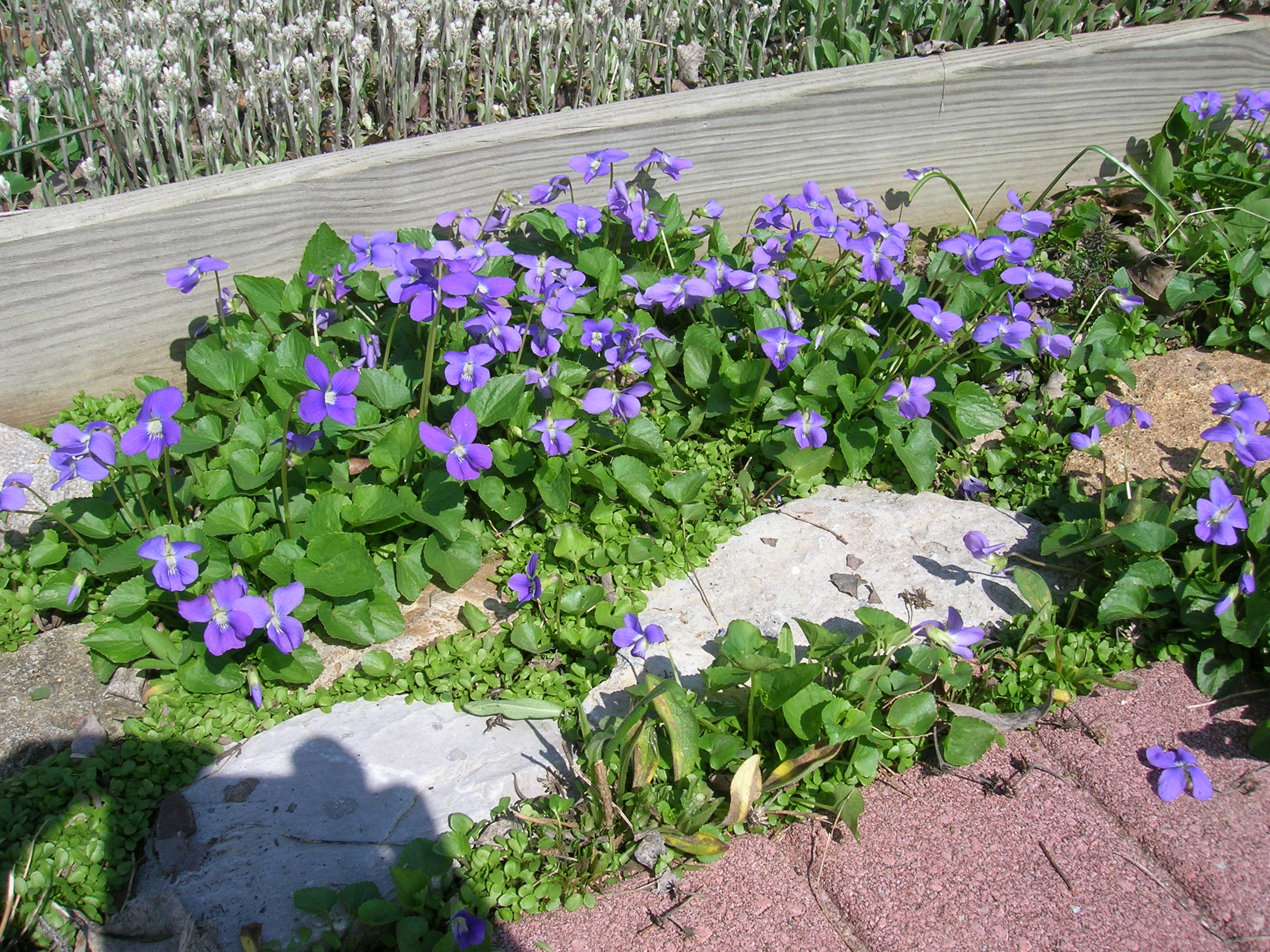
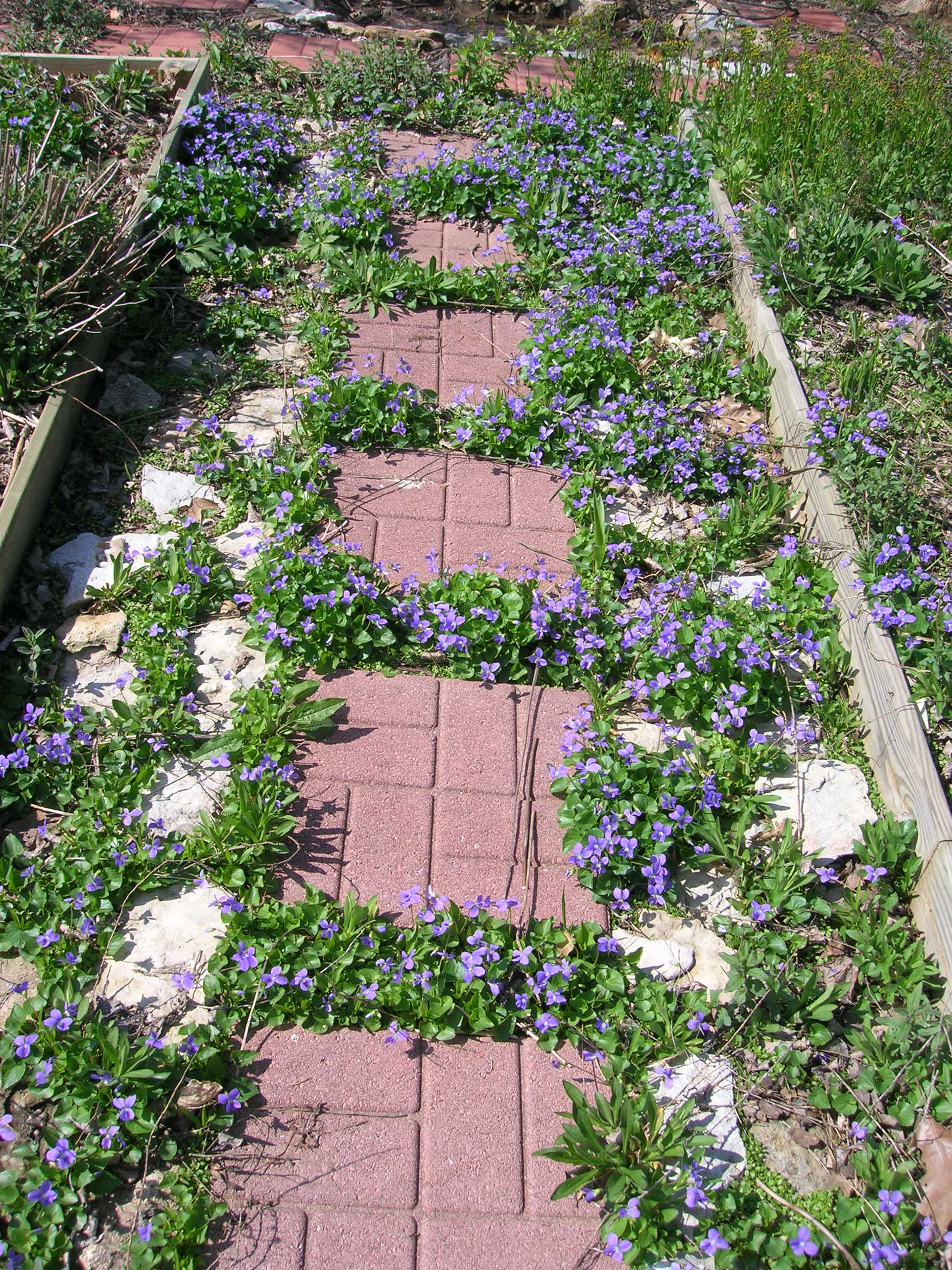
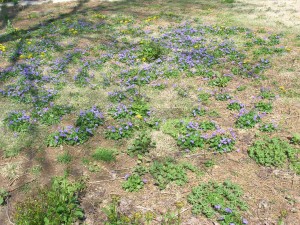
My Wild Violets are blooming beautifully now! They of course are host plants for fritillaries, like the Variegated Fritillary. I mostly have them growing between and along my stepping stones:
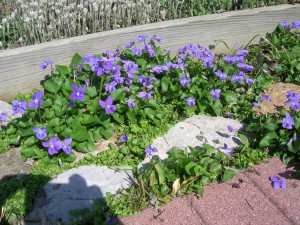
Here’s a picture from a distance where you can see them around the stepping stones:
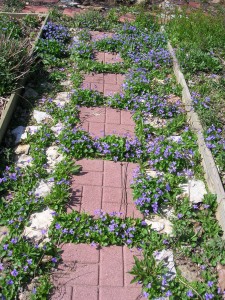
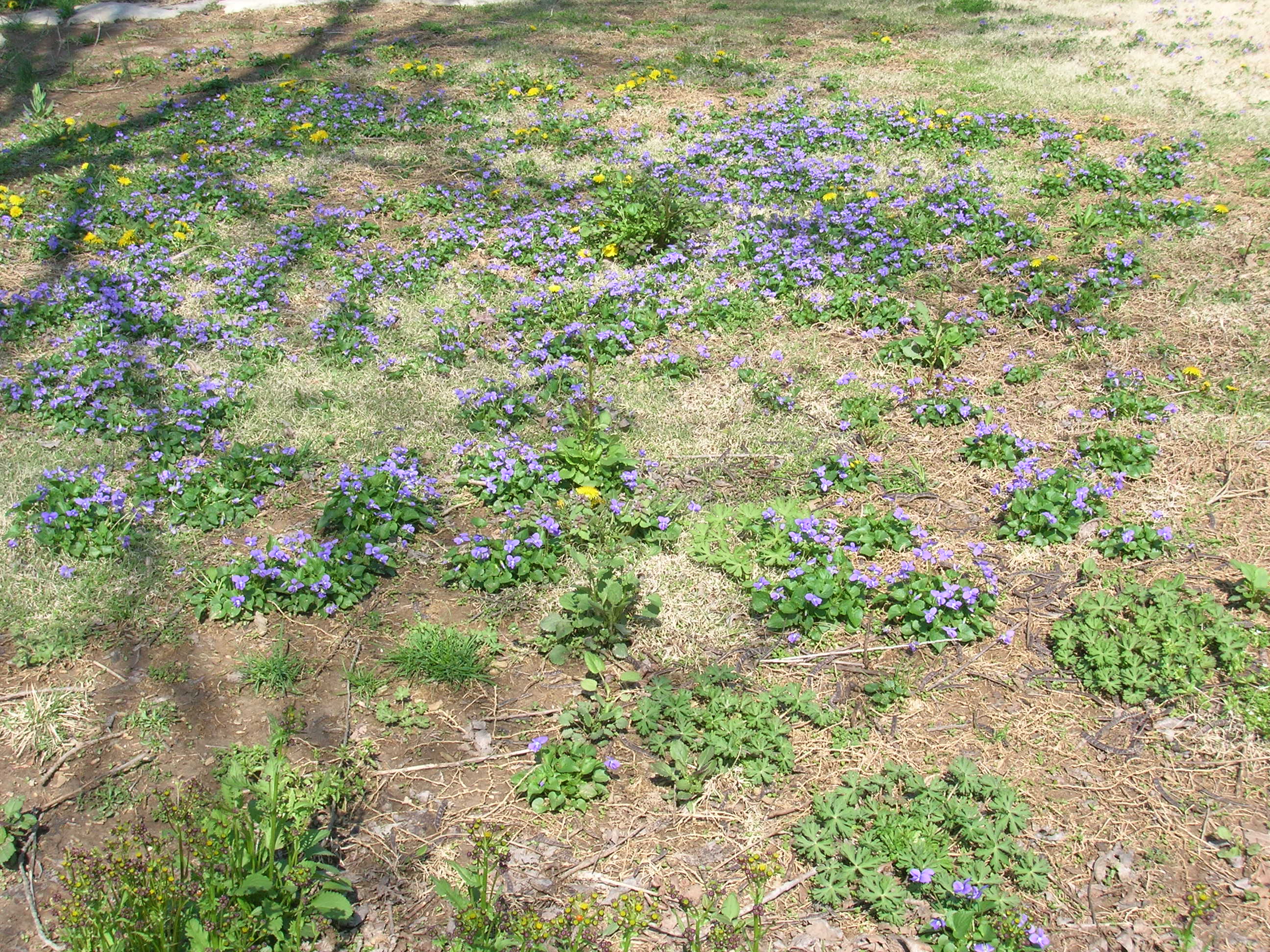
We have been replacing our lawn with a native grass, meanwhile – since it hasn’t filled in all the way there are lots of violets growing there. And dandelions too – but they are also pretty.
Happy Earth Day to everyone!
My butterfly garden is just starting to grow this year, but I do have a few pictures to share. None of butterflies though. I did see a sulfur today though – not sure what species and couple of days ago I saw a Red Admiral – earliest I think I’ve ever seen one!
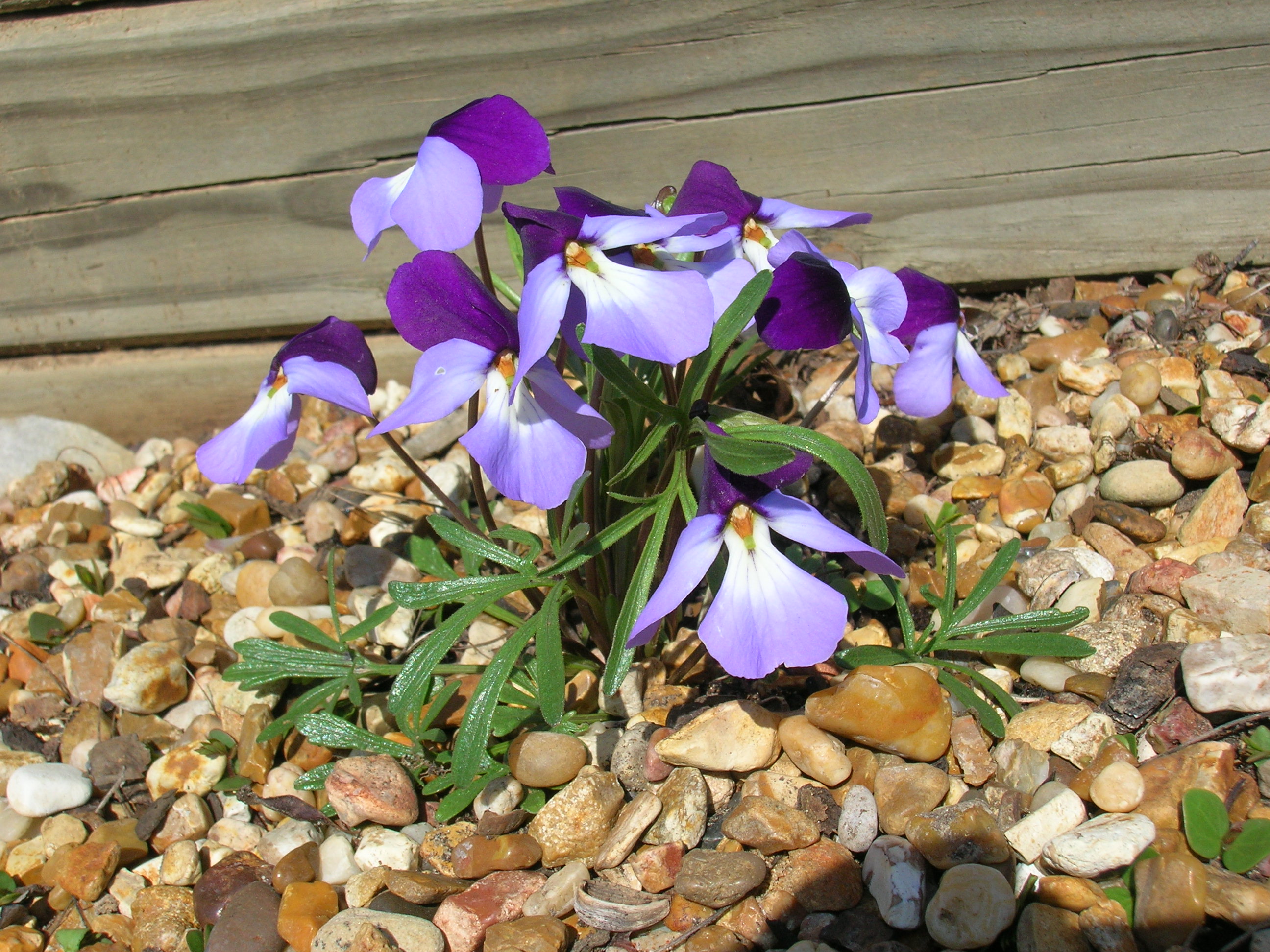
Below is a Bird’s Foot Violet. I just started a regular page for this plant but don’t have much written on it – but its a native violet, and the flowers can be one of two different color patterns. This is the darker one.
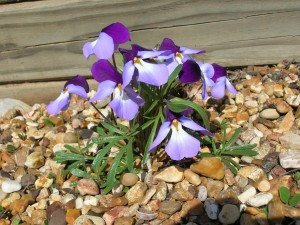
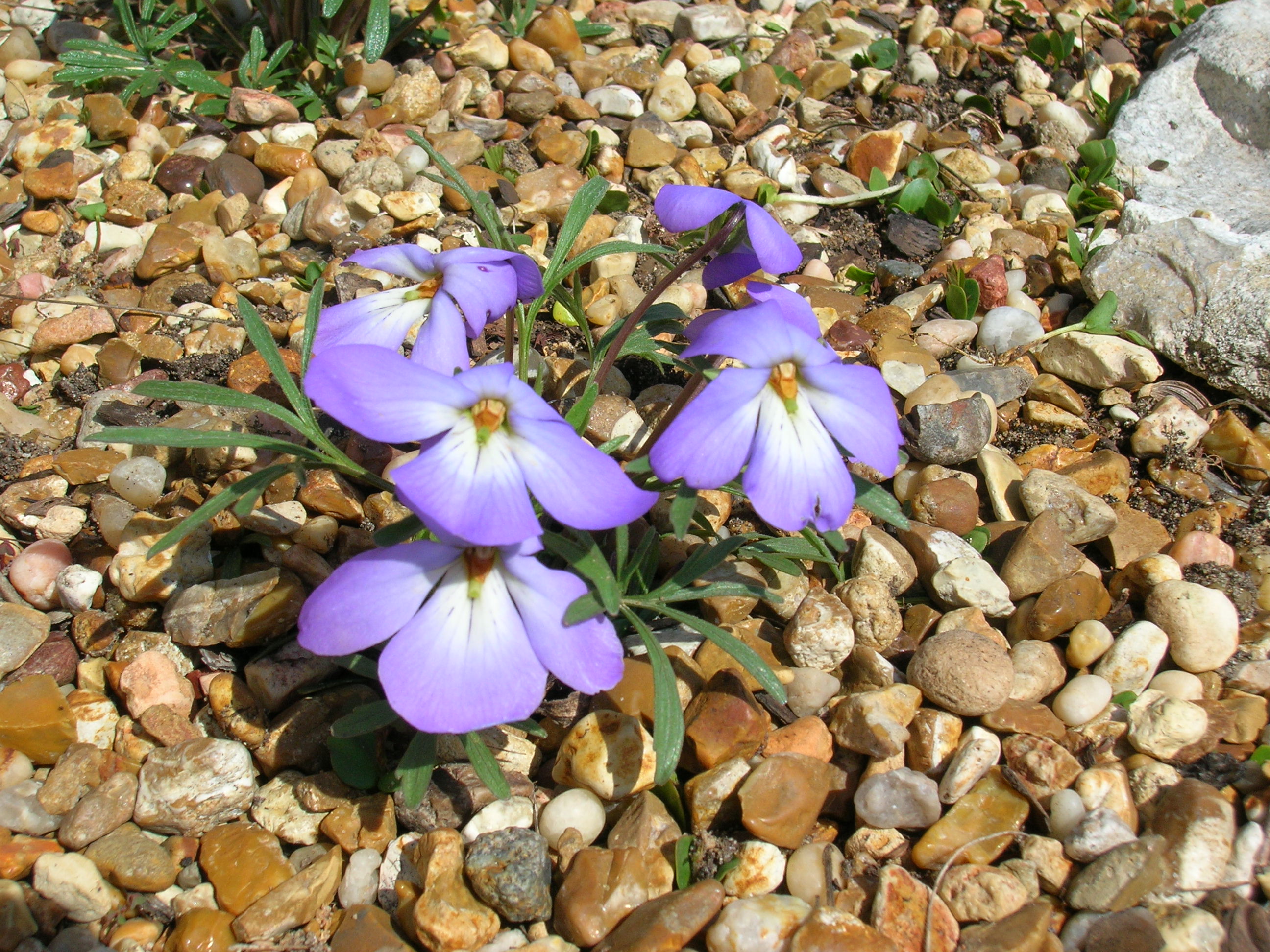
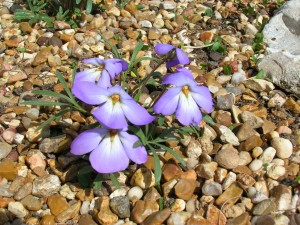
Here is one of the other color pattern:
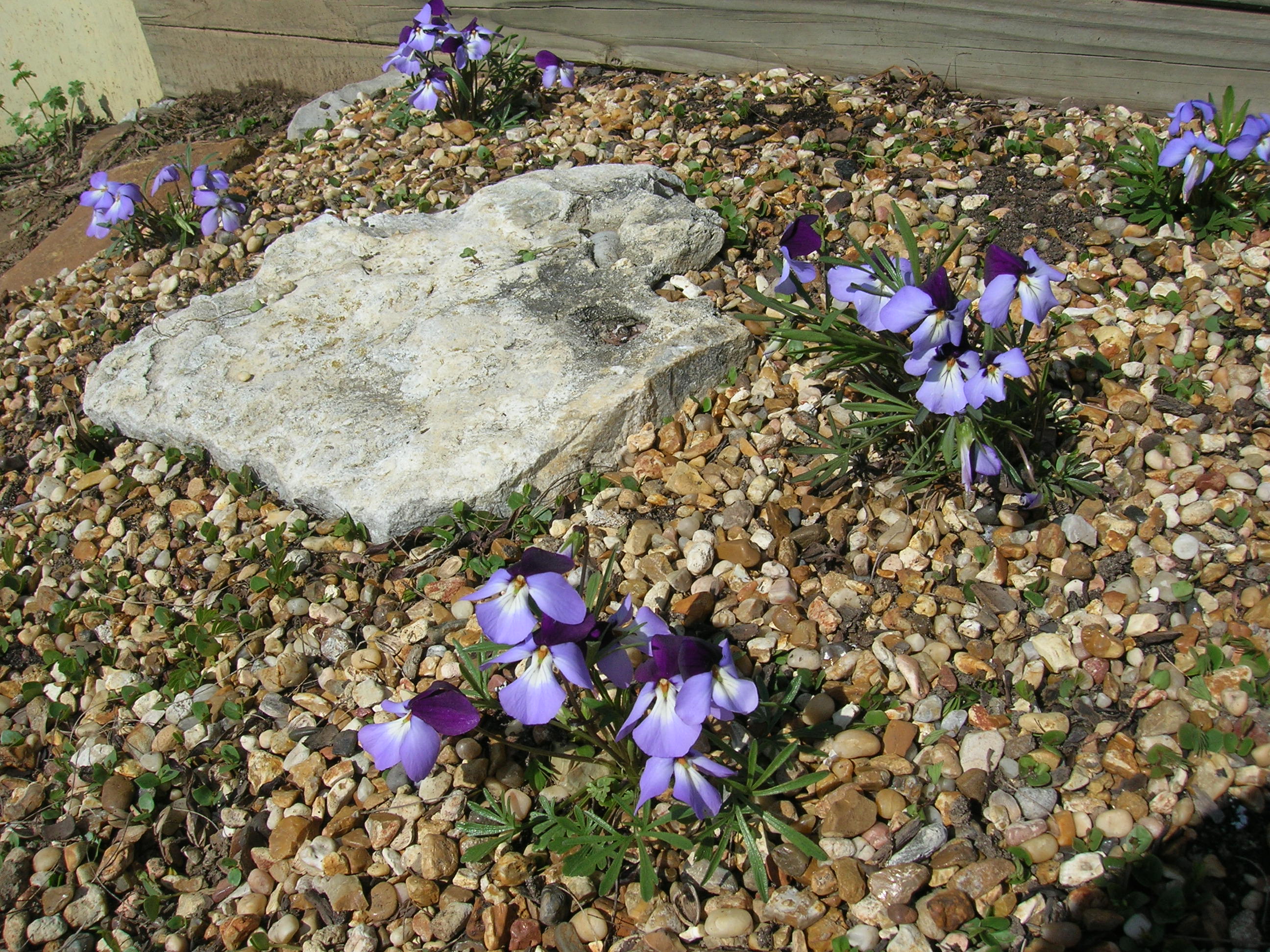
This is the area I have them planted in – I should get some more sometime:
I have more I could write today, but I was having some problems with the image upload and still need to fix this site in other ways, so I think I will stop for now.
My Baptisia australis is blooming! This is the first year mine has bloomed! The first one I had got eaten so badly by rabbits that it died. I think I got this one last year or the year before. Either way this is the first year it has ever bloomed! Hasn’t keep it from having Dusky Wings laying eggs all over though! There were eggs on it when I got it! (I don’t have separate information pages up yet about duskywings or Baptisia but I will eventually.) I had a difficult time getting the flowers in focus – I still have lot to learn with this digital camera!
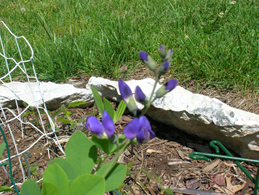
(Technorati Tags: Baptisia, flowers)
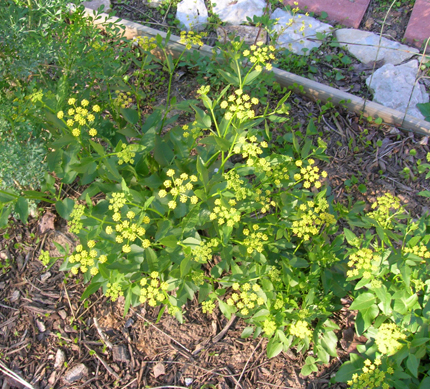
My Golden Alexanders are starting to bloom too:
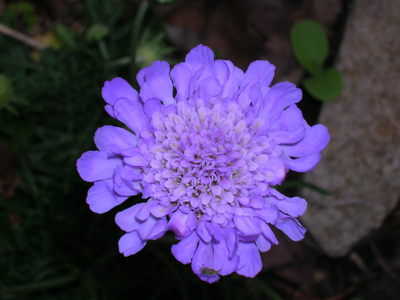
One of my scabiosas (pin cushion flowers) started blooming:
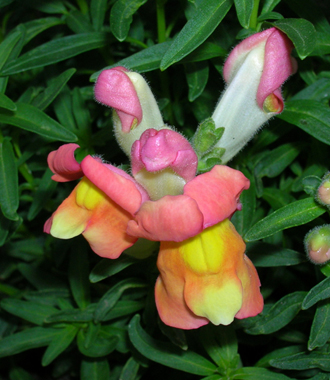
So did the snapdragons. They aren’t native – but are used by Buckeyes as a host plant. I haven’t never seen any on mine though.
Wood Betony is native and I believe is a secondary host plant for either Buckeyes or Baltimore’s:
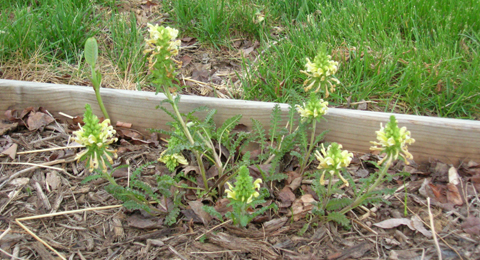
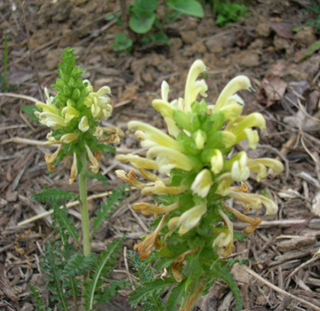
This first picture is of Pussy Toes (Antennaria sp.) – don’t laugh at the name! They have small, white flowers which I haven’t seen any butterflies be interested in because of its nectar, but – it is of course a host plant for the American Lady (Vanessa virginiensis). I’ve had them lay eggs in it too!
The next pictures are of Senecio obovatus flowers. It is a host plant for the Northern Metalmark. I’ve since heard that reports of this butterfly in Missouri were probably really the Swamp Metalmark. I still grow the plant anyway though – the little yellow flowers are so pretty in the spring!
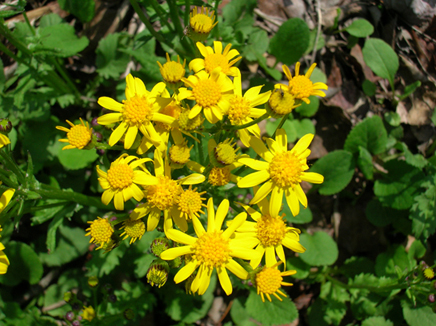
In this picture you can see little bugs, dark ones and light ones, on the middle part of the flowers. I don’t know what they were, but they didn’t seem to be hurting the plant:
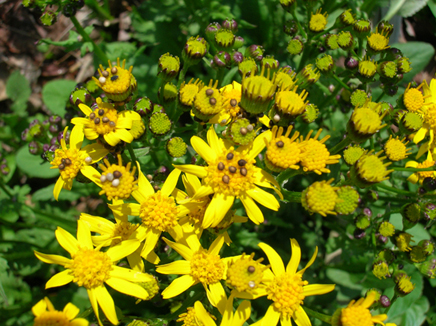
Here is the patch of Senecio I have from a little distance, taken a few days later.